
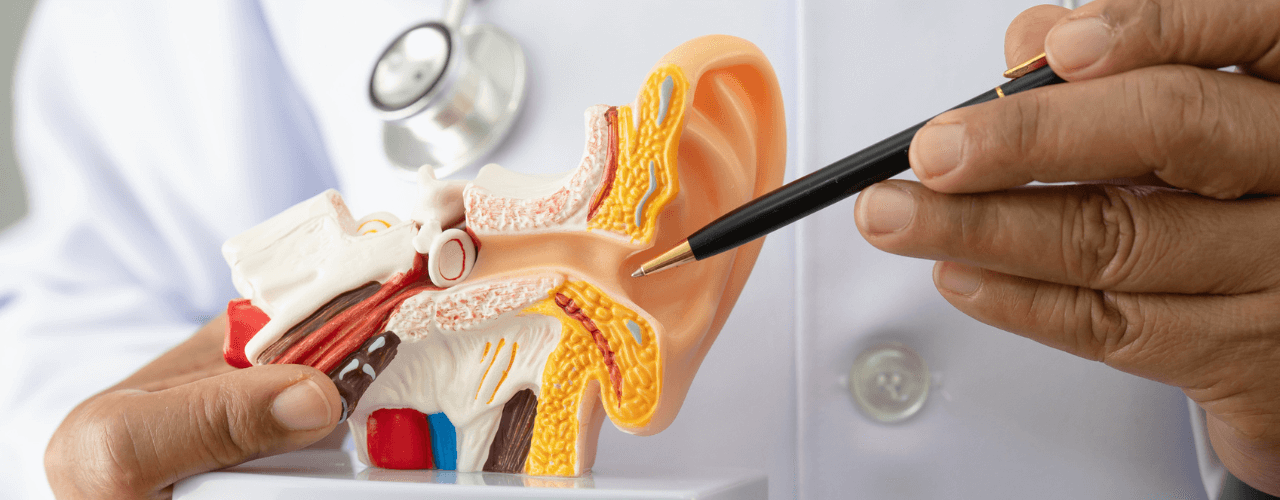
Healthy hearing plays a vital role in everyday communication, productivity, and overall quality of life. Despite this, ear health is often overlooked until symptoms become difficult to ignore. Blocked ears, muffled hearing, discomfort, ringing sounds, or dizziness can all be linked to excessive ear wax buildup. According to healthcare research, impacted ear wax affects millions of people every year, with older adults, hearing aid users, and individuals wearing earbuds experiencing a higher risk. Choosing professional treatment rather than attempting home remedies helps reduce complications and ensures safe care. For many residents seeking reliable ear wax removal london, professional ear care offers an effective solution that restores hearing while protecting the delicate structures inside the ear.
Why Does Ear Wax Build Up?
Ear wax, also called cerumen, is a natural substance produced by glands within the ear canal. It serves several important purposes, including trapping dust, dirt, and bacteria before they reach the eardrum. It also helps moisturize the ear canal and protects against infections.
Normally, ear wax moves out of the ear naturally through jaw movement while talking and chewing. However, several factors may interrupt this natural cleaning process, including:
Frequent use of cotton buds
Wearing hearing aids
Regular use of earphones
Naturally narrow ear canals
Aging, which often produces drier wax
Excessive wax production
When these factors combine, ear wax can become impacted, causing noticeable hearing difficulties and discomfort.
What Symptoms Suggest Professional Ear Wax Removal?
Many people mistake impacted ear wax for temporary congestion or an ear infection. Recognizing the warning signs helps prevent prolonged discomfort and unnecessary complications.
Common symptoms include:
Reduced hearing
Ear fullness
Ringing in the ears (tinnitus)
Earache
Itching inside the ear canal
Dizziness or balance problems
Cough caused by ear canal irritation
If symptoms persist or worsen, professional examination is recommended rather than self-treatment.
What Do Statistics Reveal About Ear Wax Problems?
Healthcare statistics highlight how widespread ear wax buildup has become across different age groups.
Recent findings indicate:
Approximately 2–6% of the general population experiences impacted ear wax.
Around one-third of older adults require professional ear wax management.
Hearing aid users experience wax blockage more frequently because devices limit natural wax movement.
Thousands of primary healthcare appointments each year involve ear wax concerns.
Improper home cleaning methods remain one of the leading causes of ear canal injuries.
These numbers demonstrate why preventative ear care continues to grow in importance.
Why Is Professional Ear Wax Removal Safer Than Home Methods?
Many people attempt to remove ear wax using cotton buds, ear candles, hairpins, or other household objects. Unfortunately, these methods often push wax deeper into the ear canal rather than removing it.
Professional treatment offers several important benefits:
Accurate examination before treatment
Safe removal using specialized equipment
Lower risk of infection
Reduced chance of eardrum injury
Immediate improvement in hearing for many patients
Personalized advice for preventing future buildup
Qualified clinicians also identify other ear conditions that may require additional medical attention.
Which Professional Ear Wax Removal Techniques Are Commonly Used?
Modern ear care clinics use several clinically accepted techniques depending on the patient’s condition.
Microsuction
Microsuction is considered one of the safest methods available. A gentle suction device removes wax while the clinician observes the ear canal through magnification.
Irrigation
Controlled irrigation uses warm water to flush softened wax safely from the ear canal. This method is suitable for selected patients after assessment.
Manual Instrument Removal
Specialized instruments allow clinicians to remove visible wax under direct observation, particularly when suction or irrigation may not be appropriate.
The most suitable method depends on the patient’s ear health, medical history, and the type of wax present.
Who Is More Likely to Need Regular Ear Wax Removal?
Some individuals naturally require more frequent professional ear care than others.
Higher-risk groups include:
Older adults
Hearing aid users
Earbud users
People with narrow ear canals
Individuals producing excessive ear wax
Those with previous ear surgery
Swimmers exposed to frequent moisture
Routine monitoring helps prevent severe blockages before symptoms interfere with daily life.
Can Ear Wax Affect Hearing Performance?
Yes. Impacted ear wax can significantly reduce hearing by blocking sound waves from reaching the eardrum efficiently. This temporary hearing loss may also increase communication difficulties, social isolation, and listening fatigue.
For hearing aid users, even small amounts of wax may interfere with device performance, creating feedback, reduced sound quality, and maintenance issues. Professional removal often restores hearing immediately without additional treatment.
How Can Future Ear Wax Problems Be Reduced?
While ear wax production cannot be completely prevented, several habits may lower the chance of repeated blockage.
Helpful preventive measures include:
Avoid inserting cotton buds into the ears.
Clean only the outer ear.
Use hearing devices according to professional guidance.
Attend routine ear examinations if prone to wax buildup.
Stay informed about safe ear hygiene practices.
Seek professional advice before using over-the-counter wax softeners.
Simple preventive care often reduces the need for emergency appointments.
Why Should Ear Health Never Be Ignored?
Healthy ears contribute not only to hearing but also to communication, balance, workplace performance, and overall well-being. Ignoring persistent symptoms can delay treatment while allowing discomfort to worsen. Professional ear examinations provide reassurance, accurate diagnosis, and safe management without unnecessary risks. Whether hearing changes develop gradually or suddenly, timely assessment remains the safest approach for maintaining long-term ear health. Choosing professional ear wax removal london services supports clearer hearing, reduces avoidable complications, and helps individuals protect one of their most valuable senses through evidence-based, patient-focused care.